Meaning of Sacral Chakra - What you need to know!


The sacral chakra, called Svadhisthana in Sanskrit, is the second of the seven main chakras in yogic tradition. It sits in the lower abdomen, roughly two finger-widths below the navel, and is linked to emotion, creativity, pleasure, and sensuality. Its element is water and its colour is orange. In this tradition, a balanced Svadhisthana is believed to support easy emotional flow and creative expression.
Key Takeaways
- The sacral chakra (Svadhisthana, 'one's own dwelling place') is the second chakra, located about two inches below the navel in the lower abdomen.
- Its element is water and its colour is orange, symbolising flow, adaptability, warmth, and creative vitality.
- In tradition it governs emotions, creativity, pleasure, sensuality, and the ability to relate to others, not any medically measured function.
- Signs of balance are described as easy emotional expression, healthy creativity, and comfort with pleasure; imbalance is linked to guilt, numbness, or over-indulgence.
- Crystals traditionally paired with it include carnelian and orange calcite, which in India usually sit in the ₹500-3,000 band.
What is the sacral chakra?
The sacral chakra is the second energy centre in the seven-chakra system, known in Sanskrit as Svadhisthana, which is often translated as 'one's own dwelling place' or 'the seat of the self.' In yogic and tantric tradition it is the centre of emotion, desire, pleasure, and creativity. It sits just above the root chakra and below the solar plexus.
Where the root chakra deals with survival and stability, Svadhisthana is about movement and feeling. If the root is the ground you stand on, the sacral chakra is the river that runs through it. This is why the element assigned to it is water: fluid, adaptable, and always seeking flow. The chakra system itself comes from ancient Indian texts, and the seven-chakra model most people know today draws on tantric yoga and later interpretations. For the full map, our complete guide to chakras walks through all seven in order.
Meaning of Svadhisthana
Svadhisthana breaks down into 'sva' (self) and 'adhisthana' (seat or dwelling), so the name is often read as 'the dwelling place of the self.' In tradition, this is where your sense of pleasure, emotion, and personal identity is thought to take root. It is closely tied to how you experience joy, intimacy, and creative desire.
The chakra is symbolised by a six-petalled lotus, usually shown in orange, with a crescent moon at its centre. The moon links it to water, tides, and cycles, which is fitting for a centre said to govern the ebb and flow of feeling. In this framework, Svadhisthana is what lets you enjoy life through the senses: taste, touch, music, art, and connection. It is not about survival, like the root chakra, but about actually savouring what survival makes possible.
Location of the sacral chakra
The sacral chakra is located in the lower abdomen, about two inches (roughly two to three finger-widths) below the navel, sitting deep in the pelvis near the lumbar spine and sacrum. It is positioned above the root chakra at the base of the spine and below the solar plexus chakra at the upper belly.
Because of where it sits, tradition associates Svadhisthana with the pelvis, hips, lower back, and reproductive organs. This is why so many hip-opening yoga poses are recommended for it: the physical area maps onto the energetic one. When people talk about 'holding tension in the hips,' sacral practitioners read that as stored emotion in this region. Keep in mind this is a symbolic, traditional mapping, not a claim from anatomy or medicine.
Element and colour
The sacral chakra's element is water and its colour is orange. Water represents flow, flexibility, and emotional fluidity, the ability to move through feeling without getting stuck. Orange, a blend of red's vitality and yellow's optimism, represents warmth, enthusiasm, pleasure, and creative energy. Together they define Svadhisthana as the centre of joyful, moving emotion.
Here is how the sacral chakra's core associations line up, which is useful when comparing it to its neighbours.
| Attribute | Sacral chakra (Svadhisthana) |
|---|---|
| Position | Second chakra |
| Location | ~2 inches below the navel |
| Element | Water |
| Colour | Orange |
| Symbol | Six-petalled lotus, crescent moon |
| Governs | Emotion, creativity, pleasure, sensuality |
| Seed sound | Vam |
| Common crystals | Carnelian, orange calcite |
The colour association is why orange shows up again and again in sacral practice: orange foods, orange décor, orange clothing, and orange stones are all traditional ways people try to 'feed' this centre. It is a gentle, symbolic cue rather than anything with a measured effect.
Signs of a balanced sacral chakra
A balanced sacral chakra is traditionally described through emotional ease and creative flow. When Svadhisthana is said to be open and settled, a person is thought to feel comfortable with their emotions, able to enjoy pleasure without guilt, and naturally creative. Passion, warmth, and healthy relationships are the everyday signs practitioners look for.
In this tradition, balance tends to show up as:
- Emotions that come and go freely, without being bottled up or overwhelming
- A steady sense of self-worth and comfort in your own body
- Creativity that flows easily, whether in art, cooking, work, or play
- The ability to enjoy pleasure, intimacy, and the senses without shame
- Warm, adaptable relationships and a capacity to connect with others
- Flexibility when life changes, rather than rigid resistance
None of this is a diagnosis. Think of it as a reflective checklist, a way of noticing where you feel open and where you feel stuck, rather than a medical scale.
Signs of a blocked or imbalanced sacral chakra
An imbalanced sacral chakra is traditionally split into two patterns: underactive (blocked) and overactive (excessive). A blocked Svadhisthana is linked to emotional numbness, creative dryness, guilt, and low libido. An overactive one is linked to emotional volatility, over-indulgence, and difficulty with boundaries. Both are read as the water element being out of flow.
The table below shows how tradition frames the two extremes against balance.
| State | How it is described |
|---|---|
| Underactive | Numbness, low creativity, guilt, fear of pleasure, withdrawal, rigidity |
| Balanced | Easy emotion, healthy creativity, comfortable intimacy, adaptability |
| Overactive | Mood swings, over-indulgence, clinginess, poor boundaries, escapism |
On the physical side, some traditions loosely associate a troubled sacral chakra with lower-back discomfort, hip stiffness, and reproductive or menstrual concerns. This is a symbolic association, not a medical one. Persistent physical symptoms always deserve a real doctor, not a crystal. If you suspect a block, our guide on how to unblock the sacral chakra covers practical, gentle steps.
How to work with your sacral chakra
Working with the sacral chakra, in tradition, means encouraging flow: movement, creativity, water, and the colour orange. The most common practices are hip-opening yoga, creative play, warm-water rituals, meditation on the colour orange, and affirmations around pleasure and worth. The idea is to loosen what feels stuck and let feeling move again.
A few traditional approaches people combine:
- Movement: Hip-opening yoga such as pigeon, goddess, and bound angle pose; free-form dance to loosen the pelvis and hips.
- Creativity: Any hands-on making, painting, cooking, writing, music, precisely because Svadhisthana is the creative centre.
- Water: Warm baths, swimming, or simply staying well hydrated, honouring the water element.
- Colour: Wearing orange, adding orange to your space, or eating orange foods like oranges, carrots, and mangoes.
- Mantra and mudra: Chanting the seed sound 'Vam,' or using specific hand positions. Our sacral chakra mudras guide shows the gestures traditionally used here.
- Meditation: Sitting quietly and visualising a warm orange light or spinning lotus in the lower belly, paired with affirmations like 'I allow myself to feel and to create.'
You don't need to do all of this. Pick one or two that feel natural. For a broader routine that covers every centre, see our chakra balancing techniques guide. And because the sacral chakra sits right above the root, many people steady the root first; our root chakra healing guide is a good starting point.
Crystals for the sacral chakra: carnelian and orange calcite
The two crystals most associated with the sacral chakra are carnelian and orange calcite, chosen mainly for their warm orange colour, which matches Svadhisthana. In crystal tradition, carnelian is linked to creativity, courage, and vitality, while orange calcite is linked to emotional warmth, playfulness, and lifting low moods. Both are affordable and widely available in India.
Carnelian is a reddish-orange variety of chalcedony, a form of quartz. According to Encyclopaedia Britannica, carnelian is a translucent, red to orange variety of chalcedony that has been used for jewellery and carved seals since antiquity, which is part of why it carries such a long symbolic history. Orange calcite is a softer calcium-carbonate mineral with a glowing, honeyed orange tone.
Here is how the two compare for sacral work.
| Crystal | Traditional association | Look | Typical India price band |
|---|---|---|---|
| Carnelian | Creativity, courage, vitality, motivation | Reddish-orange, translucent, glassy | ₹500-2,000 |
| Orange calcite | Emotional warmth, joy, gentle uplift | Soft honey-orange, waxy, banded | ₹500-3,000 |
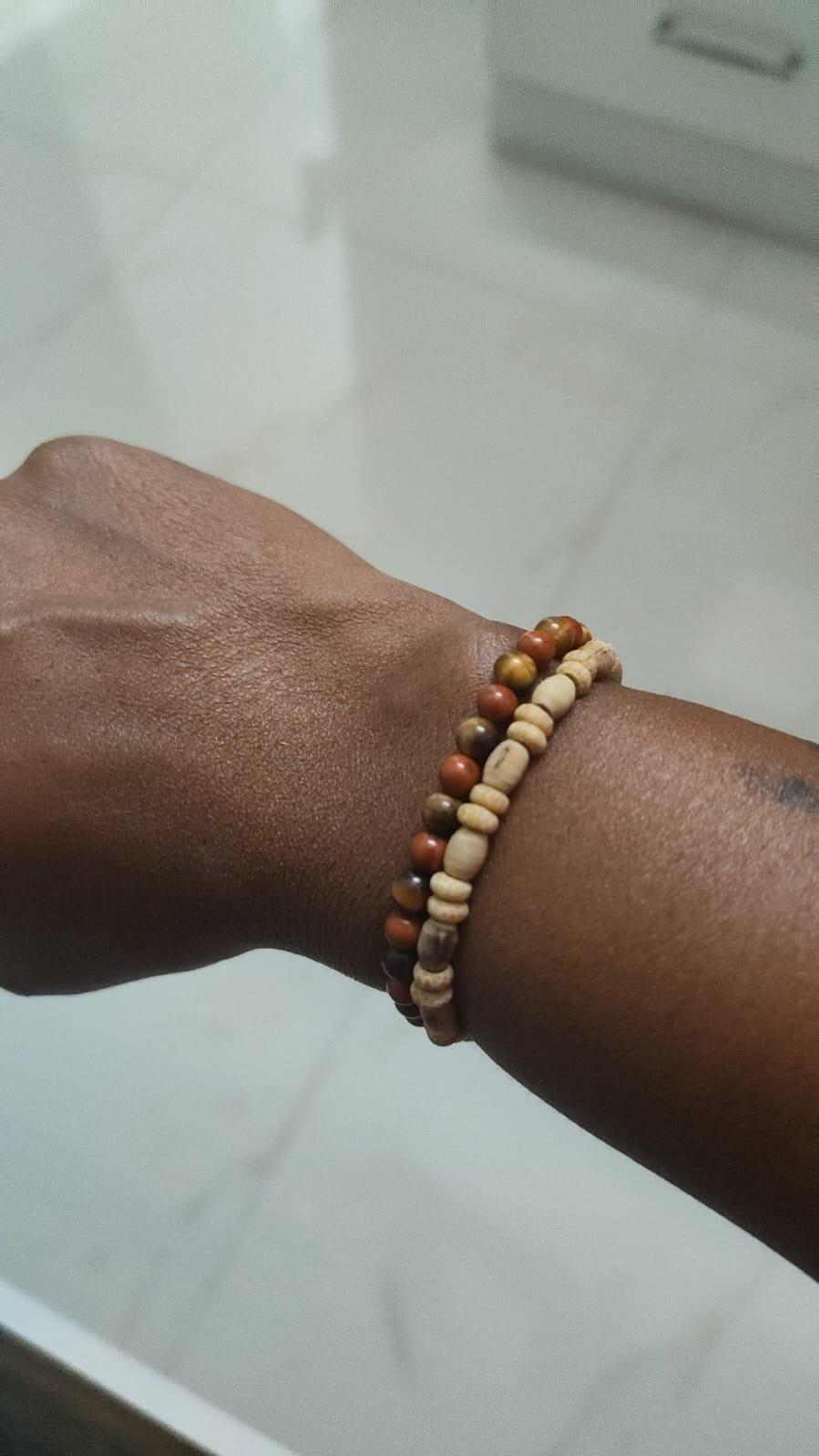
To use them the traditional way, you might hold a tumbled stone during meditation, place one over the lower abdomen while resting, keep a piece on your desk to invite creative flow, or wear it as a bracelet. As with everything here, treat crystals as beautiful objects for focus and intention, not as treatment. A carnelian bracelet is simply a warm, tactile reminder to check in with how you feel and what you want to create.
A few other stones get grouped with the sacral chakra too, usually for the same reason: colour. Sunstone, with its flecked orange sparkle, is linked to warmth and confidence. Tangerine quartz and orange aventurine appear in some sacral sets. Moonstone shows up because of the water and moon symbolism, even though it is not orange. If you are starting out, though, carnelian and orange calcite are the two that tradition returns to most, and either one is enough. Cleanse a new stone in the way you prefer, set a simple intention with it, and let it sit in your space or on your body as a quiet cue.
Sacral chakra and its neighbours
The sacral chakra makes the most sense when you see it beside the centres it sits between. Below the root chakra, above the solar plexus, Svadhisthana is the bridge between raw stability and personal power. Where the root asks 'am I safe?', the sacral asks 'what do I enjoy?', and the solar plexus asks 'what can I do?' Together they form the lower, more earthly trio of the seven.
Many practitioners work these three in order, from the ground up, because feeling safe usually has to come before feeling free. If your root feels shaky, sacral work can feel forced. That is why our guides on the root chakra and the solar plexus chakra pair naturally with this one. Think of the lower chakras as a sequence you can revisit, not a ladder you climb once and leave behind.
Frequently Asked Questions
What is the sacral chakra in simple terms?
The sacral chakra, or Svadhisthana, is the second of the seven chakras in yogic tradition. It sits in the lower abdomen, about two inches below the navel, and is associated with emotion, creativity, pleasure, and sensuality. Its element is water and its colour is orange.
Where is the sacral chakra located?
The sacral chakra is located in the lower abdomen, roughly two to three finger-widths below the navel, deep in the pelvis near the sacrum and lumbar spine. It sits above the root chakra at the base of the spine and below the solar plexus chakra in the upper belly.
What colour and element is the sacral chakra?
The sacral chakra's colour is orange and its element is water. Orange symbolises warmth, pleasure, and creative energy, while water symbolises emotional flow, flexibility, and adaptability. Together they frame Svadhisthana as the centre of moving, joyful emotion in the chakra tradition.
What are the signs of a blocked sacral chakra?
In tradition, a blocked sacral chakra is linked to emotional numbness, creative dryness, guilt around pleasure, low libido, and rigidity. An overactive one is linked to mood swings, over-indulgence, and weak boundaries. These are reflective descriptions, not medical diagnoses, so lasting symptoms should be checked by a doctor.
Which crystals are best for the sacral chakra?
Carnelian and orange calcite are the crystals most associated with the sacral chakra, chosen for their warm orange colour. Carnelian is traditionally linked to creativity and vitality, orange calcite to emotional warmth and gentle uplift. In India both usually sit in the ₹500-3,000 price band.
How do I balance my sacral chakra?
Traditional practices include hip-opening yoga, creative activity, warm baths, staying hydrated, wearing or eating orange, chanting the seed sound 'Vam,' and meditating on an orange light in the lower belly. Pick one or two that feel natural rather than trying everything at once.
Sources
About the author