Crystals For Back Pain


Crystals cannot treat, cure, or diagnose back pain, and any back pain that is severe, persistent, or follows an injury needs a doctor, not a stone. What crystals realistically offer is a calming relaxation ritual. Because a lot of everyday back tightness is tied to stress, tension, and posture, a few quiet minutes with a soothing stone, warmth, and slow breathing may help you relax the muscles indirectly. Think comfort and calm, never a substitute for care.
Key Takeaways
- Crystals are not a medical treatment for back pain and cannot cure it. See a healthcare professional for any real or lasting pain.
- Much everyday back tension is stress- and posture-related, and the honest role of crystals is a relaxation ritual that may ease that tension indirectly.
- Calming stones like amethyst and rose quartz, and grounding ones like hematite and smoky quartz, are the traditional choices for a soothing practice.
- Use them by resting quietly with warmth, slow breathing, and a stone held or placed nearby, as relaxation, never as a device on the spine.
- Red flags, leg numbness or weakness, loss of bladder or bowel control, pain after injury, fever, or unexplained weight loss, need urgent medical care, not crystals.
Can crystals really help back pain?
Let us be clear and honest from the start: there is no scientific evidence that crystals heal back pain or any physical injury. A stone will not fix a strained muscle, a disc problem, or a trapped nerve, and treating it as though it could is unhelpful and, if it delays real care, genuinely risky. Back pain is common but deserves proper attention, and this guide begins there.
Where crystals can play a small, honest part is in relaxation. A great deal of ordinary back tightness comes from stress, long hours sitting, and poor posture, and the muscle tension that follows is made worse by being wound-up. The U.S. National Center for Complementary and Integrative Health notes that relaxation and mind-body practices can help some people manage stress and cope with chronic pain when used alongside standard medical care.
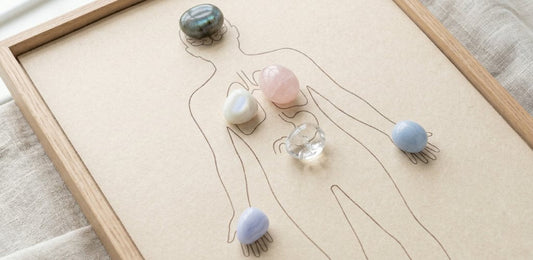
So a crystal here is a prop for a relaxation ritual, not a remedy. Holding or resting a soothing stone while you breathe slowly and let your body soften is a pleasant way to unwind, and a calmer body often carries a little less tension. That is the modest, truthful claim, and it is the only one worth making about crystals and back pain.
Why stress and posture drive back tension
Understanding why the back holds tension shows where a calming ritual might gently help. When you are stressed, your body braces: the muscles across the lower back and shoulders tighten and stay contracted. Add long hours hunched at a desk or over a phone, and those muscles are held short and strained day after day, leaving the back stiff and sore.
This kind of tension- and posture-related tightness is different from pain caused by injury, a disc problem, arthritis, or nerve compression, all of which need medical assessment. But for the everyday stiffness so many desk-workers know, calming the nervous system and moving more genuinely matter. When you relax, the bracing eases and the muscles can lengthen.
That is the narrow, honest space a crystal ritual works in: not treating the back, but helping you relax so stress-driven tension has a chance to release. It sits alongside the things that actually help, gentle movement, better posture, warmth, and stronger core habits, as one small, soothing part of winding down.
Stones traditionally chosen for a calming ritual
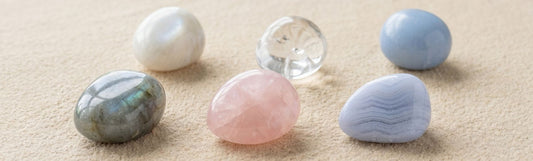
Because the goal is relaxation, the stones people reach for are calming and grounding ones, not anything claimed to mend the body. The choices below are picked for their soothing associations and their smooth, cool, pleasant feel in the hand. None of them treats pain; they simply make a restful ritual feel intentional and grounded.
| Crystal | Traditional association | Why people choose it here |
|---|---|---|
| Amethyst | Calm, rest, easing a busy mind | The classic relaxation stone for unwinding |
| Rose quartz | Comfort, self-compassion | A soft, kind ritual when you feel worn down |
| Smoky quartz | Grounding, releasing stress | Heavy, steadying feel that helps you settle |
| Hematite | Grounding, a weighty anchor | Cool, dense stone for a calming pause |
| Red jasper | Stability, steady grounding | An earthy stone linked to the lower back area |
Grounding stones like hematite and smoky quartz are popular here because feeling settled and heavy in the body is the opposite of the tense, braced feeling stress creates. For a grounding-and-comfort combination, smoky quartz pairs well with calming stones, as we cover in smoky quartz and howlite. To see how these stones map to the body's traditional energy centres, our primer on the seven chakras explained gives the wider picture.
How to use crystals in a relaxation routine
The way to use crystals for back tension is as part of a calming wind-down, combined with the things that genuinely ease tight muscles: warmth, gentle movement, and slow breathing. The stone is the cue that says this is your time to relax. Here is a simple, safe routine to try at the end of a tense day.
1. Get comfortable. Lie down somewhere quiet, perhaps with knees bent and supported, phone away. 2. Add warmth. A warm compress or heat pad on the lower back relaxes muscles far more than a stone can. 3. Rest the stone. Hold a smooth, grounding stone in your hand, or rest it on your belly, letting its weight remind you to soften. 4. Breathe slowly. Take long, easy breaths, letting your back sink and release on each exhale. 5. Stay a few minutes. Let the warmth, the breath, and the stillness do the relaxing.
Never press a stone hard into your spine, lie on stones, or use them in place of care you need. If you like to reset your stones before a calming session, our step-by-step on how to cleanse and charge crystals walks through the gentle methods. For choosing calming stones more broadly, see our guide to crystals for different purposes.
When to see a doctor about back pain
This is the most important section here. A relaxation ritual is fine for mild, stress-related stiffness, but certain signs mean you need medical care promptly, and no crystal is a substitute for it. According to MedlinePlus, the U.S. National Library of Medicine's health service, back pain with warning signs needs medical attention rather than home management.
See a doctor, or seek urgent care, if your back pain comes with any of these:
- Numbness, tingling, or weakness in a leg or foot.
- Loss of bladder or bowel control, which is a medical emergency (possible cauda equina).
- Pain after a fall, accident, or injury.
- Fever, or unexplained weight loss, alongside the pain.
- Severe, worsening, or constant pain, especially pain that wakes you at night.
- Pain that does not settle within a few weeks of gentle self-care.
If any of these apply, put the crystals aside and contact a healthcare professional; loss of bladder or bowel control needs emergency care immediately. Crystal rituals are for gentle relaxation only, and using them to delay real diagnosis or treatment is exactly what to avoid. When in doubt, get it checked.
What actually helps everyday back tension
Alongside a calming ritual, the practical steps below are what genuinely ease the common, stress-and-posture kind of back tightness. They are simple, mostly free, and far more effective than any stone, and a crystal ritual works best as a small companion to them, not a replacement. Consistency, day after day, is what keeps the tension from building back up.
- Keep moving. Avoid long stretches sitting still. Standing, walking, and changing position often keeps the back from stiffening.
- Fix your setup. Support your lower back when sitting, keep your screen at eye level, and avoid slumping for hours.
- Build gentle strength. Regular walking and gentle core and back exercises support the spine far better than rest alone.
- Use heat. A warm compress or shower relaxes tense muscles, the real relief a stone cannot give.
- Lower the stress. Slow breathing, walks, and proper rest tackle tension at its source, and a calming crystal ritual can sit gently on top.
Rose quartz can be a gentle companion for that self-care mindset, as we explore in rose quartz for emotional healing. If back pain keeps returning, or an exercise ever makes it worse, a doctor or physiotherapist can find the cause and give you a proper plan rather than guesswork. A crystal ritual can still have a place in that plan, as a calming end-of-day habit, but the real progress comes from movement, strength, and good support.
Frequently Asked Questions
Can crystals heal back pain?
No. There is no scientific evidence that crystals heal back pain or any physical condition, and they cannot fix a muscle, disc, or nerve problem. Their only honest role is as part of a relaxation ritual that may ease stress-related tension indirectly by helping you unwind. For real or lasting back pain, see a doctor and treat crystals as comfort, not medicine.
Which crystals do people use for back tension?
The stones traditionally chosen are calming and grounding ones: amethyst for rest, rose quartz for comfort, and smoky quartz, hematite, or red jasper for a grounding, steadying feel. None of these treats pain. They simply make a restful, wind-down ritual feel intentional, and they should always be used alongside proper care and movement, not instead of it.
How do I use a crystal for a back relaxation routine?
Lie down comfortably, perhaps with knees bent, add a warm compress to your lower back, and hold a grounding stone or rest it on your belly while you breathe slowly, letting your back release on each exhale. Stay a few minutes. The warmth, breath, and stillness do the relaxing. Never press a stone into your spine or lie directly on stones.
When should I see a doctor about back pain?
Seek care if your back pain is severe, worsening, constant, or wakes you at night, or if it comes with leg numbness, tingling, or weakness, fever, or unexplained weight loss. Pain after an injury needs assessment, and any loss of bladder or bowel control is an emergency. Do not rely on crystals; get warning-sign back pain checked promptly by a professional.
Why does stress cause back tension?
When you are stressed, your body braces and the muscles across the back tighten and stay contracted. Held for hours, often alongside poor sitting posture, that clenching leaves the back stiff and sore. This tension-related tightness differs from injury or nerve pain. Calming the nervous system through relaxation, plus moving more, lets the muscles lengthen, which is where a soothing ritual may gently help.
Is it safe to lie on crystals for my back?
No, do not lie on stones or press them into your spine. It is uncomfortable and unsafe and offers no benefit. Use crystals only during a short, awake relaxation session, holding a stone or resting it lightly on your belly. For back comfort, focus on warmth, gentle movement, good support, and posture, and see a professional if back pain persists or worsens.
Sources
- National Center for Complementary and Integrative Health (NIH) - Relaxation Techniques and Chronic Pain: What You Need To Know: https://www.nccih.nih.gov/health/relaxation-techniques-what-you-need-to-know
- MedlinePlus (U.S. National Library of Medicine) - Low back pain, acute and self-care: https://medlineplus.gov/ency/article/007422.htm
- National Center for Complementary and Integrative Health (NIH) - Meditation and Mindfulness: What You Need To Know: https://www.nccih.nih.gov/health/meditation-and-mindfulness-what-you-need-to-know
About the author