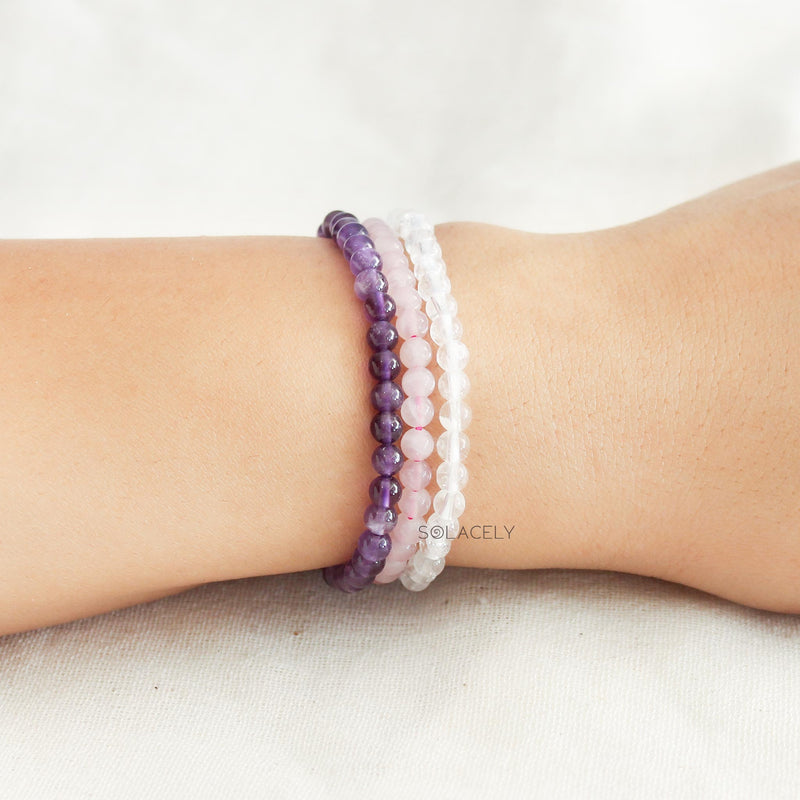
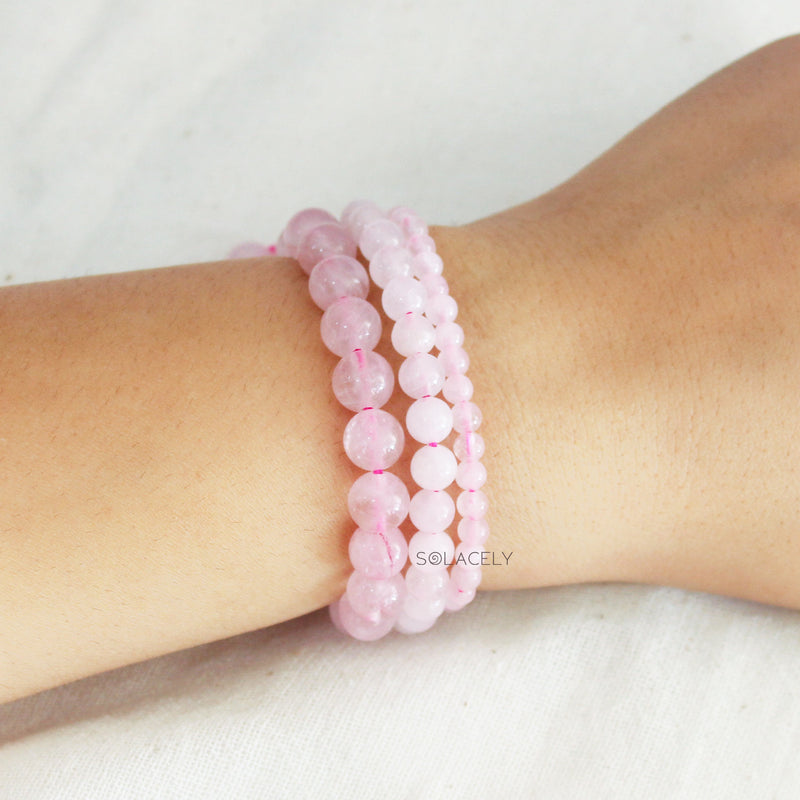
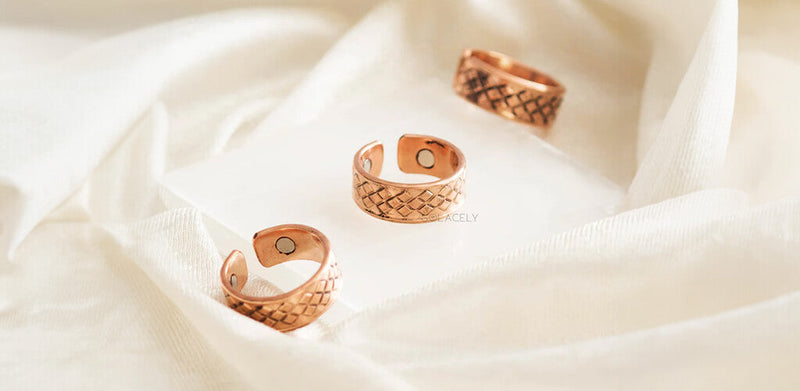
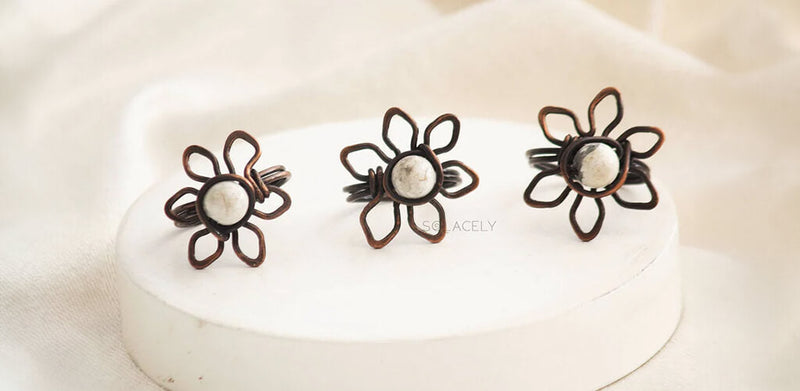
In metaphysical tradition, copper's properties are described as those of a conductor and amplifier: because the metal carries electricity so well in the physical world, practitioners believe it also carries and strengthens intention, prayer, and the energy of any crystal placed near it. These are cultural and spiritual beliefs, valued for meaning, not medical facts.
Key Takeaways
- The core belief is 'conductor equals amplifier.' Copper is one of the best electrical conductors known, second only to silver, per Britannica. Tradition extends that physical fact into a metaphysical metaphor.
- Copper is most often linked to the lower and heart chakras in belief systems, associated with grounding, warmth, and emotional flow rather than a single fixed centre.
- It is traditionally paired with crystals as a 'bridge' metal, said to strengthen the stone's intention. Common pairings include malachite, turquoise, rose quartz, and clear quartz.
- Copper is inexpensive next to precious metals, which keeps intention-led pieces accessible.
- None of these energy claims are clinically proven. Wear copper for beauty, ritual, and meaning, not as treatment for any condition.
What 'metaphysical properties' of copper means
Metaphysical properties are the qualities a culture assigns to a material beyond its measurable chemistry: the moods, intentions, and energies people believe it carries. For copper, that belief centres on movement. Because copper conducts electricity and heat superbly, folk and New Age traditions treat it as a metal that also conducts subtle energy, moving it through the body and space.
It helps to hold two ideas apart from the start. Copper's physical behaviour is real and measured. Its metaphysical reputation is a layer of human meaning built on top of that behaviour. One is science; the other is tradition. This guide stays honest about which is which, and treats every energy claim as belief rather than proven fact. For the evidenced side of the story, see our companion piece on the power of copper.
Copper, symbol Cu, is a reddish-brown chemical element with atomic number 29. According to the mineral database Mindat, native copper occurs naturally as a metal in the earth, one of only a few metals found this way. That ancient, ready-to-use quality is part of why so many early cultures worked it, and why it accumulated centuries of symbolic weight long before anyone measured its conductivity.
The conductor and amplifier belief
The single most repeated idea in copper's metaphysical tradition is that it works as a conductor and amplifier of energy. The reasoning borrows directly from physics: Britannica notes copper is an excellent conductor of electricity, which is why it fills the wiring of nearly every home. Practitioners extend that measurable fact into a spiritual metaphor about carrying intention.
In practical belief, this shows up in a few ways. Copper is shaped into wands and pyramids meant to 'direct' energy toward a point. It is wrapped around crystals so the metal can, in tradition, channel the stone's quality outward. And it is worn against the skin so its supposed flow stays close to the body. You can read more about the shaped-metal side of this in our guide to copper pyramid vastu benefits.
Is any of this proven? No. The leap from electrical conduction to spiritual conduction is a metaphor, not a mechanism. There is no test showing copper moves an 'energy field.' What is true is that the metaphor is old, widespread, and meaningful to many people, which is a fair reason to appreciate it as tradition while keeping expectations grounded.
Copper and the chakras
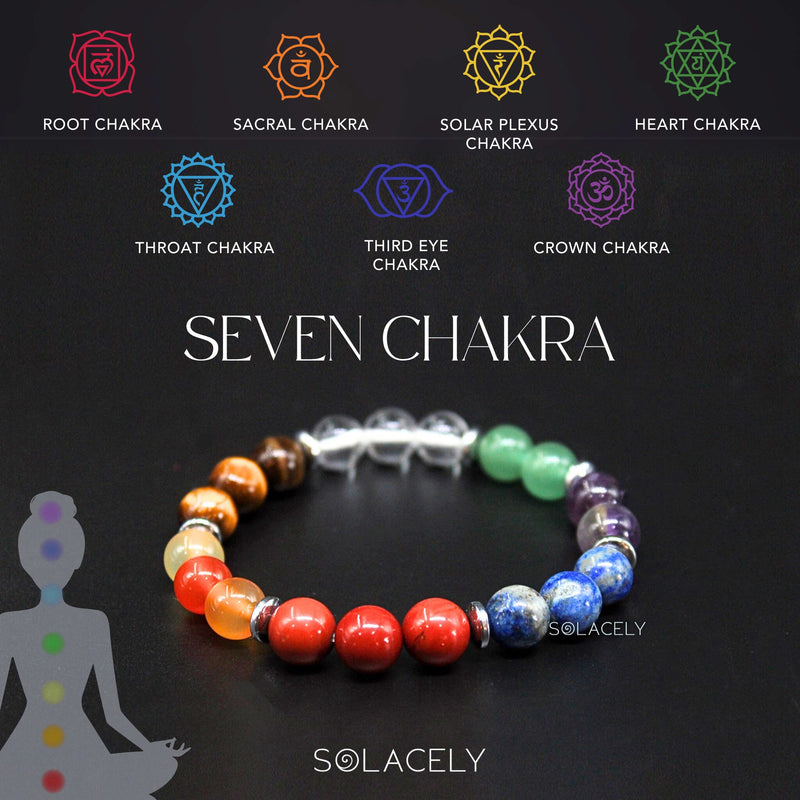
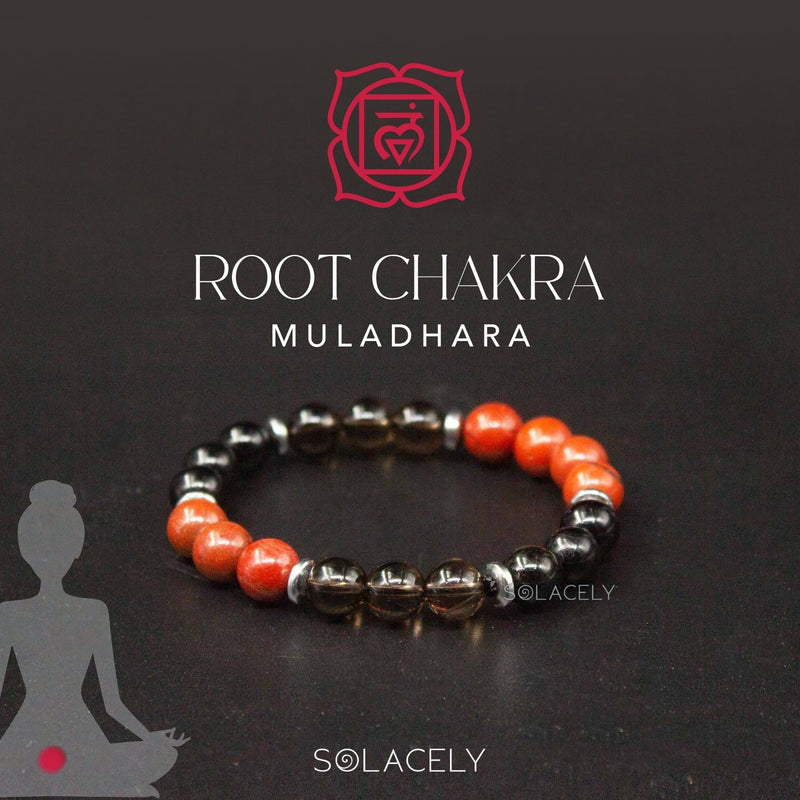
In chakra-based belief, copper is most often associated with the lower centres and the heart: the root and sacral chakras for grounding and vitality, and the heart chakra for warmth and emotional flow. Unlike a single-colour crystal that maps to one chakra, copper's warm reddish tone lets tradition link it loosely across the lower body, so associations vary between teachers.
Why the lower chakras? The reasoning is largely colour and warmth. Copper's reddish-orange glow echoes the traditional colours of the root (red) and sacral (orange) centres, which belief systems tie to stability, security, and creative energy. Warm metals feel grounding to many wearers, and that felt sense gets folded into the association.
The heart-chakra link is slightly different. Here copper's role as a 'connector' metal maps onto the heart's theme of relationship and flow. When copper is paired with a green or pink heart stone, the metal is believed to carry that stone's loving intention more strongly. This is why so many intention pieces combine a copper band with rose quartz.
A short reference for how the associations are usually described:
| Chakra | Colour theme | What tradition links to copper here |
|---|---|---|
| Root (Muladhara) | Red | Grounding, security, physical vitality |
| Sacral (Svadhisthana) | Orange | Creativity, warmth, emotional energy |
| Heart (Anahata) | Green/pink | Connection, compassion, emotional flow |
Treat this table as a map of belief, not biology. Chakras themselves are part of a spiritual framework, and copper's place within it is symbolic. The value is in the intention you bring, not a measurable effect on any energy centre.
Pairing copper with crystals
The most practical part of copper tradition is pairing. Copper is treated as a 'bridge' metal that, in belief, strengthens and carries the intention of whatever crystal sits beside it. This is why crystal jewellery so often uses copper wire and settings, and it is the heart of the copper magical properties tradition.
Each pairing carries its own intention in folklore. The metal is thought to amplify; the stone supplies the specific quality. Here is how the common combinations are described, keeping every claim in the register of belief:
| Crystal paired with copper | Traditional intention |
|---|---|
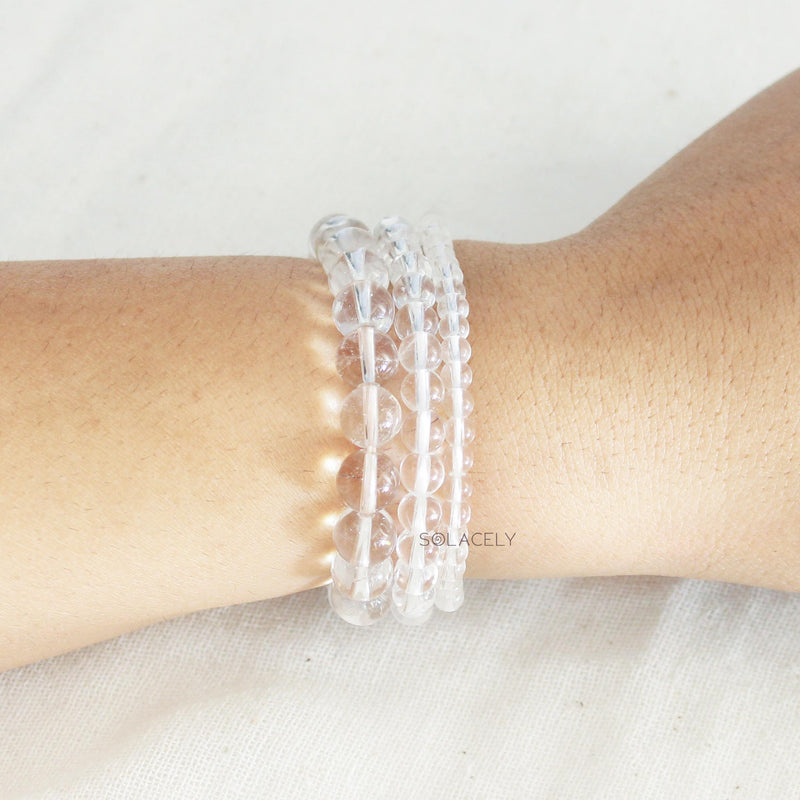
| Clear quartz | Amplification and clarity; the 'master' pairing |
| Rose quartz | Love, self-compassion, heart-centred warmth |
| Malachite | Transformation, releasing heavy energy |
| Turquoise | Protection, calm, safe travel |
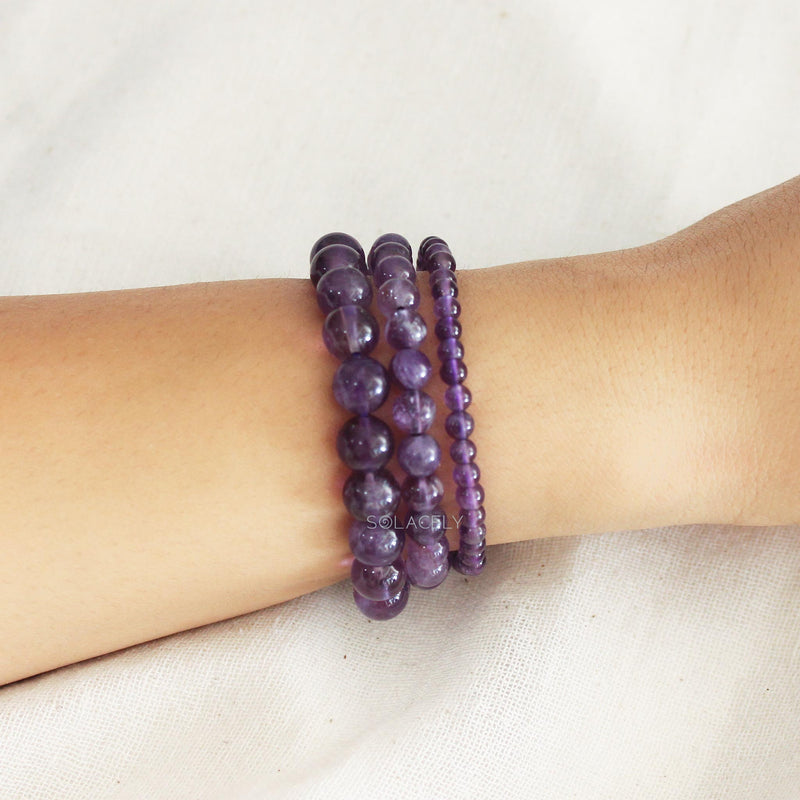
| Amethyst | Calm, rest, spiritual focus |
| Citrine | Abundance, optimism, confidence |
| Lapis lazuli | Truth, insight, clear expression |
| Black tourmaline | Grounding and protection from negativity |
A few of these map neatly onto Solacely's own intention language: black tourmaline for protection, rose quartz for love, citrine for abundance, amethyst for calm. If you are new to the idea, think of the crystal as the message and the copper as the frame that holds it close to you. For a fuller picture of the wearing tradition, see the spiritual benefits of wearing copper.
How copper is used in daily practice
Copper enters daily spiritual practice in a handful of familiar forms: jewellery worn on the wrist or neck, small pyramids and wands placed on a desk or altar, and vessels used in ritual. The common thread is proximity. Tradition holds that copper's supposed conducting quality works best in contact with, or close to, the body and the crystals it carries.
Here is how practitioners typically bring copper into a day, framed as ritual rather than remedy:
- Wear it with intention. A copper cuff or ring, sometimes set with a chosen crystal, worn as a daily reminder of one purpose. Many wearers ask which hand to wear a copper bracelet on, which comes down to comfort and personal custom.
- Place it on an altar. A small copper pyramid or bowl holding crystals, treated as a focal point for a morning pause.
- Pair for a purpose. Choosing the stone that matches an intention, then setting or wrapping it in copper to 'carry' that intention through the day.
- Use it in ritual water. Copper vessels have a long place in Indian household tradition, valued for meaning and daily rhythm.
None of these uses require you to believe the energy claims literally. Many people find that a deliberate object and a small daily ritual are genuinely steadying, simply as a practice of attention. That benefit is real and human, even when the metaphysical mechanism is unproven. For the health-adjacent claims specifically, our guide to copper healing properties sets expectations honestly.
Caring for copper and its energy
Copper needs simple physical care, and tradition adds an optional layer of 'energetic' cleansing on top. Physically, bare copper darkens and forms a patina over time, and it can leave a harmless green mark on skin, a normal reaction between copper, sweat, and air. Neither is damage, and both are reversible with gentle cleaning.
To keep copper bright, a paste of lemon and salt, or a little tamarind, restores the shine; rinse and dry the piece fully afterwards. Store it away from prolonged moisture, and remove copper jewellery before swimming to slow tarnish. If the green skin mark bothers you, a thin lacquer or a clear barrier coat prevents it, though it also changes the bare-metal contact some traditions prefer. We explain the chemistry in why copper turns your skin green.
On the energetic side, belief systems suggest 'cleansing' copper and its crystals under running water, in moonlight, or with cleansing smoke, then setting a fresh intention. This is a ritual of renewal, not a measurable process. Do it because the pause is meaningful to you, not because the metal stores anything a device could read.
Choosing copper honestly: belief versus proof
The wisest way to enjoy copper's metaphysical side is to keep two registers clear. Copper has real, measured properties: it is an essential trace mineral your body needs, and it is a superb conductor of electricity and heat. Its energy and chakra associations are a separate, symbolic layer that culture has added over thousands of years.
Neither register cancels the other. You can respect the tradition, wear a copper-and-crystal piece for its beauty and intention, and still be clear-eyed that no study shows copper moving an energy field. Precision here protects both your money and your trust. It also lets you buy well: choose solid copper or a stated high-copper alloy over thin plating, and pick the crystal whose intention actually matches what you want to hold in mind.
Price makes this easy to explore. Everyday copper jewellery and small intention pieces cost very little next to precious metals, with artisan cuffs and heavier vessels climbing above that. That accessibility, paired with copper's warm glow and deep history, is a real part of why it endures as a gift and a personal talisman. For more on the wearing tradition and its perceived rewards, see copper jewelry benefits.
Sources
- Encyclopaedia Britannica — Copper (chemical element): conductivity and physical properties. britannica.com
- Mindat.org — Copper: native metal, mineral data and occurrence. mindat.org
- National Institutes of Health, Office of Dietary Supplements — Copper fact sheet (essential trace element). ods.od.nih.gov
Frequently asked questions
About the author


Written by Chetna Sharma, crystal healing practitioner and co-founder of Solacely. Chetna has worked with healing crystals for over a decade and curates Solacely's protective stone collection.