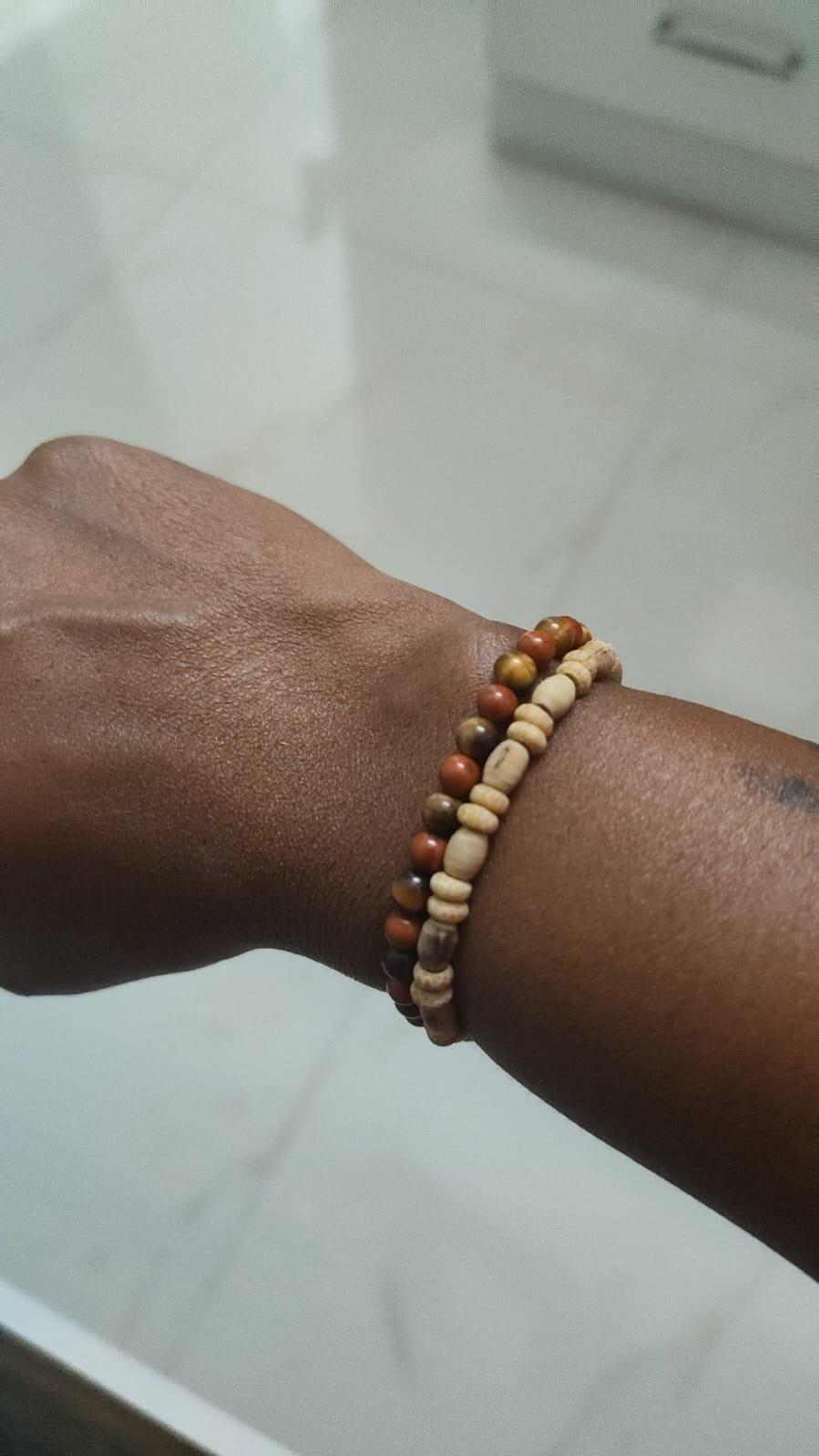
Exploring the Holistic Benefits of Crystal-Infused Jewelry


Crystal-infused jewellery is any wearable piece, bracelet, pendant or ring, set with a natural stone chosen for a specific intention. In Indian tradition, rose quartz is linked to love, black tourmaline to protection, pyrite to wealth, and amethyst to calm. You wear the stone to keep that intention close through the day.
Key Takeaways
- The real benefit of crystal jewellery is intention you can wear: a daily, physical reminder of what you're working toward.
- Four everyday stones cover most needs: rose quartz (love), black tourmaline (protection), pyrite (wealth), amethyst (calm).
- Metaphysical properties are traditional and cultural belief, not medical fact, but the habit of wearing an intention is genuinely grounding.
- Choose by intention first, then check the stone is real and the metal (often copper or 925 silver) suits your skin.
- Everyday crystal jewellery in India typically sits in the ₹999 to ₹3,000 band, with elevated designer pieces above ₹3,000.
- Cleanse new pieces, wear on the hand that fits your goal, and keep stones away from harsh chemicals.
What crystal-infused jewellery actually is
Crystal-infused jewellery simply means adornment built around a natural gemstone, usually a tumbled bead, cabochon or raw point, selected for what that stone traditionally represents. The 'infused' part is about intention, not a coating. The crystal is real; the meaning is what you bring to it when you put the piece on.
Most crystal jewellery in India uses one of two settings. Beaded bracelets thread polished stones on elastic, which is why they are the easiest entry point. Pendant and ring settings pair a single feature stone with a metal, often copper or 925 sterling silver, so the stone leads the look. Copper is popular because it is warm, affordable, and carries its own tradition of wellbeing.
The appeal is quiet and practical. A bracelet on your wrist is something you see fifty times a day. Each glance is a small nudge back to whatever you set out to do, whether that is stay calm in a meeting or hold a boundary with someone difficult. New to the format? Our guide to crystal bracelets for beginners is a gentle place to start.
The four intentions most people wear
Crystal jewellery is easiest to understand through intention rather than geology. Four stones cover the vast majority of what Indian buyers actually reach for: rose quartz for love, black tourmaline for protection, pyrite for wealth and confidence, and amethyst for calm. Pick the intention that matches your season of life, and the stone follows.
Think of these four as a starter wardrobe. You do not need a drawer of thirty crystals. One or two chosen well, worn consistently, do more than a scattered collection that never leaves the shelf. Here is how the everyday four compare at a glance.
| Stone | Intention | Traditional association | Best worn for |
|---|---|---|---|
| Rose Quartz | Love | Compassion, self-worth, relationships | Heart-led seasons, self-care |
| Black Tourmaline | Protection | Grounding, boundaries, shielding | Stressful commutes, difficult people |
| Pyrite | Wealth | Confidence, drive, abundance | Work, negotiations, new ventures |
| Amethyst | Calm | Rest, clarity, sleep | Anxiety, overthinking, bedtime |
Each of these gets its own section below, with what it's traditionally for and how people wear it. You can also read our fuller round-up of loving crystals if the heart-led ones speak to you first.
Rose Quartz jewellery: love and self-worth
Rose quartz is the classic love stone. In tradition it is tied to the heart, standing for gentle compassion, forgiveness, and, importantly, the way you treat yourself. Worn as a bracelet or pendant, it acts as a soft daily prompt to lead with warmth rather than defensiveness. It is the stone most people gift when they mean 'I care.'
Geologically, rose quartz is a pink variety of quartz. According to the GIA, quartz is one of the most abundant minerals on Earth and its colour varieties, from rose to amethyst, come from trace elements and structural quirks. That everyday abundance is part of why quartz jewellery stays affordable and accessible.
People reach for rose quartz during tender seasons: a new relationship, a hard breakup, or a stretch of low self-esteem. It pairs naturally with self-care rituals. Wear it on your receiving hand when you want to draw more softness in, and keep it close on days you are inclined to be harsh with yourself.
Black Tourmaline jewellery: protection and grounding
Black tourmaline is the go-to protection stone, especially for men and anyone facing draining environments. Tradition frames it as a shield: it is said to absorb negativity and keep you grounded when a room, a commute, or a person leaves you frayed. As a bracelet, it is the piece you put on before a day you expect to be heavy.
Tourmaline is a genuine mineral group. Britannica describes tourmaline as a complex borosilicate that occurs in many colours, with the black, iron-rich variety known as schorl, the type used in most protection jewellery. Its dark, glassy look is distinctive and hard to fake convincingly.
Wear black tourmaline on your dominant hand if you want it to help you hold boundaries and push back, or as a pendant near the base of the throat for all-day grounding. Many people pair it with copper, which has its own spiritual benefits of wearing copper in Indian tradition. For a deeper look, see our black tourmaline crystal bracelet guide.
Pyrite jewellery: wealth and confidence
Pyrite, with its bright metallic-gold shine, is the wealth and confidence stone. Nicknamed 'fool's gold,' it is traditionally linked to abundance, drive, and the self-belief you need to ask for the raise or start the venture. People wear it to work, to negotiations, and through career pivots when they want their nerve to hold.
Pyrite is iron sulphide, and Britannica notes its pale brass-yellow colour and metallic lustre are exactly what led to the 'fool's gold' name, since prospectors mistook it for the real thing. That literal golden gleam is part of why it reads so strongly as a prosperity stone.
Because pyrite is about outward drive, wear it on your dominant, giving hand when you want to project confidence and take action. It sits well alongside citrine for abundance. If wealth is your focus, our guide to a money attracting bracelet explains how these stones are combined and worn.
Amethyst jewellery: calm and clarity
Amethyst is the calm stone, the one you reach for when your mind will not switch off. Tradition ties its violet colour to rest, intuition, and clear thinking. Worn to bed or through an anxious stretch, it is meant to quiet overthinking and settle you. It is arguably the most beginner-friendly stone because the intention, calm, is one everyone understands.
Amethyst is the purple variety of quartz. The GIA explains that its violet hue comes from iron impurities and natural irradiation within the crystal structure. It is durable enough for daily rings and bracelets, which is why it shows up so often in everyday jewellery rather than only in display pieces.
Wear amethyst on your receiving, non-dominant hand to draw calm inward, or keep an amethyst piece by the bed if sleep is the goal. It pairs gently with rose quartz for emotional seasons and with clear quartz when you want extra mental clarity for study or decisions.
How to choose crystal jewellery
Choose by intention first, stone reality second, and metal third. Start with what you actually want more of, love, protection, wealth or calm, and let that pick the stone. Then make sure the crystal is genuine and the metal suits your skin and budget. Intention without a real stone is just fashion; a real stone without intention is just a bead.
A few checks save disappointment. Natural stones usually have small inclusions or slight colour variation; glass and plastic imitations often look too flawless and feel warm rather than cool to the touch. Weight matters too, as real stone feels denser than a dyed resin bead. Our detailed guide on how to tell if a crystal is real walks through the specific tests.
Metal is the last decision. Copper is warm, affordable, and carries centuries of Indian tradition, though it can leave a temporary green mark on some skin, which is harmless. Sterling silver is durable and neutral, letting the stone lead. Choose whichever fits your skin, your budget, and how often you plan to wear the piece.
How to wear and care for your crystal jewellery
Wearing crystal jewellery well comes down to two habits: put it on with intention, and keep it clean. Which hand you choose is traditionally guided by energy flow, the left, receiving hand to draw an intention in, the right, giving hand to project it outward. Consistency matters more than perfection.
Here is a simple routine to get the most from a new piece:
1. Cleanse it first. Rinse under cool running water, leave it in indirect moonlight overnight, or rest it on a bed of salt for a few hours to clear it before first wear. 2. Set your intention. Hold the piece, name what you want it to remind you of, and put it on. This one moment is what 'infuses' it. 3. Choose your hand. Left to receive calm or love, right to project confidence or protection. If unsure, our which hand to wear your crystal bracelet guide has the full logic. 4. Wear it consistently. The benefit comes from repetition, from seeing it and remembering, not from a single grand gesture. 5. Refresh it now and then. Re-cleanse monthly, or whenever a hard week leaves the piece feeling heavy to you.
Care is straightforward. Take crystal jewellery off before swimming, bathing, or cleaning, since chlorine, salt and harsh chemicals can dull soft stones and tarnish copper or silver. Apply perfume and skincare first, then put the piece on last. Store stones separately in a dry pouch so harder crystals do not scratch softer ones.
What crystal jewellery costs in India
Crystal-infused jewellery is one of the more accessible ways into intention-led adornment. In India, everyday beaded bracelets and simple pendants commonly fall in the ₹999 to ₹1,500 band, mid-range pieces with better stones or 925 silver settings sit around ₹1,500 to ₹3,000, and designer or larger statement pieces climb above ₹3,000.
Price tracks three things: the quality and size of the stone, the metal, and the craftsmanship. A genuine, well-cut amethyst in sterling silver costs more than a small tumbled bead on elastic, and both are valid depending on your budget and intention. What you should not pay a premium for is a dyed glass 'crystal,' so the authenticity checks above matter as much as the price tag.
| Price band (₹) | What you typically get | Good for |
|---|---|---|
| ₹999 – ₹1,500 | Beaded bracelets, simple stone pendants | First piece, everyday wear, gifting |
| ₹1,500 – ₹3,000 | Better-grade stones, 925 silver or quality copper settings | Daily statement, meaningful gifts |
| ₹3,000+ | Designer, larger feature stones, fine craftsmanship | Milestones, heirloom-style pieces |
Frequently Asked Questions
What is crystal-infused jewellery?
Crystal-infused jewellery is any wearable piece, bracelet, pendant or ring, set with a natural gemstone chosen for a specific intention. The 'infused' part refers to meaning, not a coating: the stone is real, and you set your intention when you put it on. Common stones include rose quartz, black tourmaline, pyrite and amethyst.
Which crystal is best for a beginner?
Amethyst is the friendliest starter stone because its intention, calm, is one everyone understands and needs. Rose quartz for love is a close second. Begin with one stone that matches your current focus rather than buying many at once. A single piece worn daily does more than a large collection left in a drawer.
Do crystals actually work?
In tradition, crystals are worn to hold an intention, and that belief is cultural, not scientific or medical fact. What is real is the psychological value of a daily, physical reminder of what you're working toward. Many people find that alone grounding. Solacely offers crystals for meaning and reflection, not as treatment.
Which hand should I wear my crystal on?
Traditionally the left, receiving hand draws an intention inward, so it suits calm, love or protection you want to feel. The right, giving hand projects outward, suiting confidence and wealth you want to act on. Consistency matters more than the rule, so wear it where you'll notice it most.
How do I clean and cleanse crystal jewellery?
Rinse under cool running water, rest it in indirect moonlight overnight, or place it on salt for a few hours to cleanse it energetically. For physical care, wipe with a soft dry cloth and keep it away from chlorine, salt water, perfume and harsh chemicals, which can dull soft stones and tarnish copper or silver.
Is copper or silver better for crystal jewellery?
Both work; the choice is personal. Copper is warm, affordable and rich in Indian tradition, though it may leave a harmless temporary green mark on some skin. Sterling silver is durable, neutral and lets the stone lead the look. Pick whichever suits your skin, budget and how often you plan to wear it.
How much does crystal jewellery cost in India?
Everyday beaded bracelets and simple pendants usually fall in the ₹999 to ₹1,500 band. Mid-range pieces with better stones or 925 silver settings sit around ₹1,500 to ₹3,000, and designer or statement pieces climb above ₹3,000. Price tracks stone quality, metal and craftsmanship, so prioritise a genuine stone over a large one.
Sources
- GIA (Gemological Institute of America) — Quartz and its varieties (amethyst, rose quartz), colour and formation — https://www.gia.edu/quartz
- Britannica — Tourmaline: borosilicate mineral group and the black variety schorl — https://www.britannica.com/science/tourmaline
- Britannica — Pyrite (iron sulphide), 'fool's gold' colour and lustre — https://www.britannica.com/science/pyrite
About the author